7 Types Of Logos: How You Can Use Them With Small Facts
Summary
Not all logos are created equal. The best branding agency in Coimbatore breaks down all 7 logo types, what makes each one work strategically, and how to pick the right one for your brand without guessing.
Introduction
Did you know that colour alone increases brand recognition by up to 80 percent? Now imagine what the wrong logo type does to that number. A logo is the single most visible element of any brand, and there are 7 distinct types of logos, each built to do a completely different job. Most businesses pick a logo based on what looks good rather than what works strategically, and that decision quietly costs them for years. As the best branding agency in Coimbatore, we have seen this pattern repeat across industries. In this blog, we break down all 7 logo types, what makes each one work, and how to choose the right one for your brand.
What Are the 7 Types of Logos and Why Does the Type You Choose Matter?
The 7 types of logos are wordmarks, lettermarks, brandmarks, combination marks, emblems, mascot logos, and abstract marks, and the type you choose directly shapes how your brand is perceived.
Most people think logo design is about finding a nice icon or a clean font. But the structure of a logo, the category it belongs to, determines how memorable it is, how scalable it performs, and how much communication work it does on its own. Brand identity researchers have consistently found that logo type influences consumer trust before the brand name is even processed by the brain. Choosing the right type before the design process begins is not a minor detail. It is the foundation of the entire visual identity. Get the type wrong and even the most beautifully designed logo will underperform in the market.
Wordmarks and Lettermarks: When Your Name Is the Brand
A wordmark is a logo built entirely from the brand name in a custom typeface, while a lettermark uses only the initials of the brand.
Wordmarks work best when the brand name is short, distinctive, and built for long-term recall. The entire visual identity rests on the name itself, which means typography becomes the most critical design decision. Lettermarks solve a different problem. When a brand name is long or complex, condensing it to initials creates a cleaner and more versatile mark. A verified fact worth knowing: the human brain processes text and symbols through different cognitive pathways, which means a well-crafted lettermark can actually be processed faster than a full wordmark in low-attention environments like social media feeds. For new businesses focused on building name recognition quickly, wordmarks remain one of the most effective starting points. Our team at AntSquad always studies the brand name itself before recommending any logo direction.
Brandmarks and Abstract Marks: Logos That Work Without Words
A brandmark is a standalone icon or symbol with no accompanying text, while an abstract mark uses a non-literal geometric or organic form to represent the brand.
Brandmarks carry enormous potential but require significant brand-building investment before the icon alone can communicate recognition without the name beside it. Abstract marks take a different approach. Because they carry no literal meaning, they are free from cultural and linguistic limitations, making them highly effective for brands operating across international markets. Research in visual cognition confirms that abstract shapes are processed and stored differently in memory compared to representational images, often resulting in stronger long-term recall when consistently applied. The important caveat is that both types require disciplined, long-term brand exposure to reach their full potential. For most growing businesses, leading with either type too early without the name alongside it is a strategic risk. You can explore how we think through these decisions on our branding page.
Combination Marks and Emblems: The Most Versatile Logo Types
A combination mark pairs a symbol with a wordmark, while an emblem integrates text and icon into a single unified and contained shape.
Combination marks are the most practical and flexible logo type for businesses at any stage of growth. They allow the icon and wordmark to work together or independently depending on the application, which makes them highly adaptable across digital platforms, print materials, merchandise, and signage. This flexibility is one of the primary reasons combination marks are among the most widely used logo types globally. Emblems work differently. The text and icon are inseparable, contained within a defined shape that projects authority, tradition, and institutional weight. A well-documented pattern in brand history shows that educational institutions, government bodies, and heritage brands consistently favour emblems because the enclosed structure communicates permanence and credibility. As the best branding agency in Coimbatore, we find combination marks to be the most requested type from growing local businesses precisely because of how well they scale.
Mascot Logos: The Most Human Logo Type
A mascot logo uses an illustrated character as the face of the brand, making it the most personality-driven and emotionally engaging logo type available.
Mascot logos build emotional connection at a speed that no other logo type can match. They give a brand a recognisable face, a distinct personality, and an implied story without a single word of copy. They perform exceptionally well for brands targeting families, children, food and beverage, sports, and any category where warmth and approachability are central to the brand promise. What makes mascots particularly powerful from a psychological standpoint is that human beings are neurologically wired to respond to faces and humanised figures more strongly than abstract shapes or text, a phenomenon well-documented in cognitive science. This means a well-designed mascot is not just likeable. It is genuinely easier to remember. The challenge is that mascot logos demand a high standard of illustration and a consistent character application system across all brand touchpoints. Done well, they are among the most memorable identities a brand can own.
How Do You Choose the Right Logo Type for Your Brand?
The right logo type is determined by three factors: the nature of your brand name, the expectations of your target audience, and the primary environments where your brand will live.
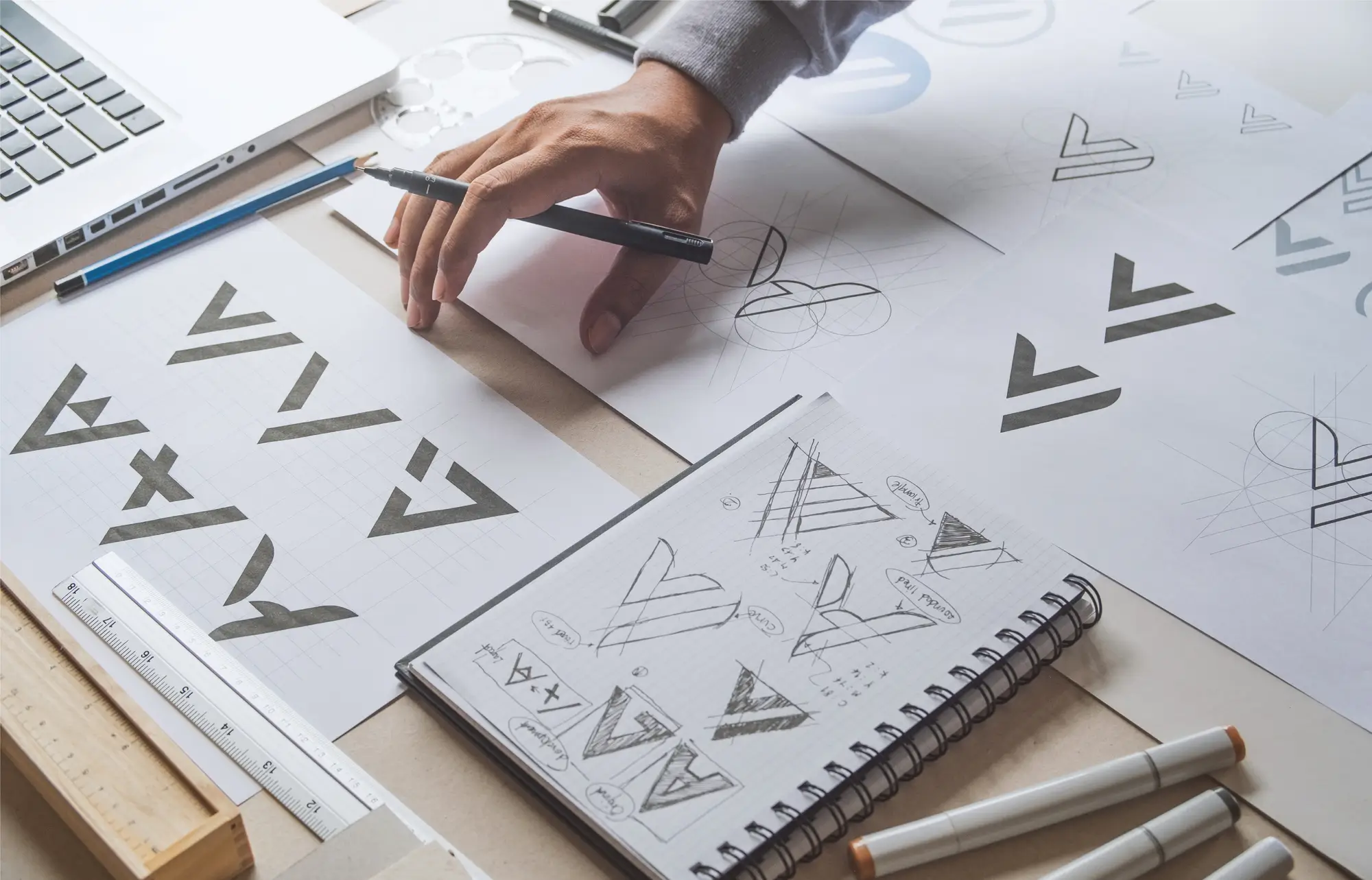
If your brand name is strong, unique, and central to your identity, a wordmark or combination mark is almost always the most strategic starting point. If your brand needs to feel warm, human, and approachable, a mascot logo deserves serious consideration. If you are operating in a premium, corporate, or international space, an abstract mark or lettermark often signals the right level of sophistication. The most common mistake businesses make is choosing a logo type based on personal aesthetic preference rather than brand strategy. Branding professionals consistently observe that the logos with the longest commercial lifespans are those built around a deep understanding of the target audience rather than the founder’s visual taste. If you want to understand how we approach this process from the inside, read our blog on The Art & Science of Logo Design
Conclusion
The 7 types of logos are not simply design categories to browse through and pick from. They are strategic tools with distinct strengths, limitations, and ideal use cases. Understanding which type serves your brand before any design work begins is what separates a logo that works from one that simply exists. As the best branding agency in Coimbatore, AntSquad brings this strategic lens to every logo project we take on, ensuring that the type, the design, and the brand story are all pulling in the same direction. If you are starting a new brand or questioning whether your current logo is doing its job, we would love to have that conversation with you. Reach out to us here and let us build something that truly works.